Protein's Biological Roles
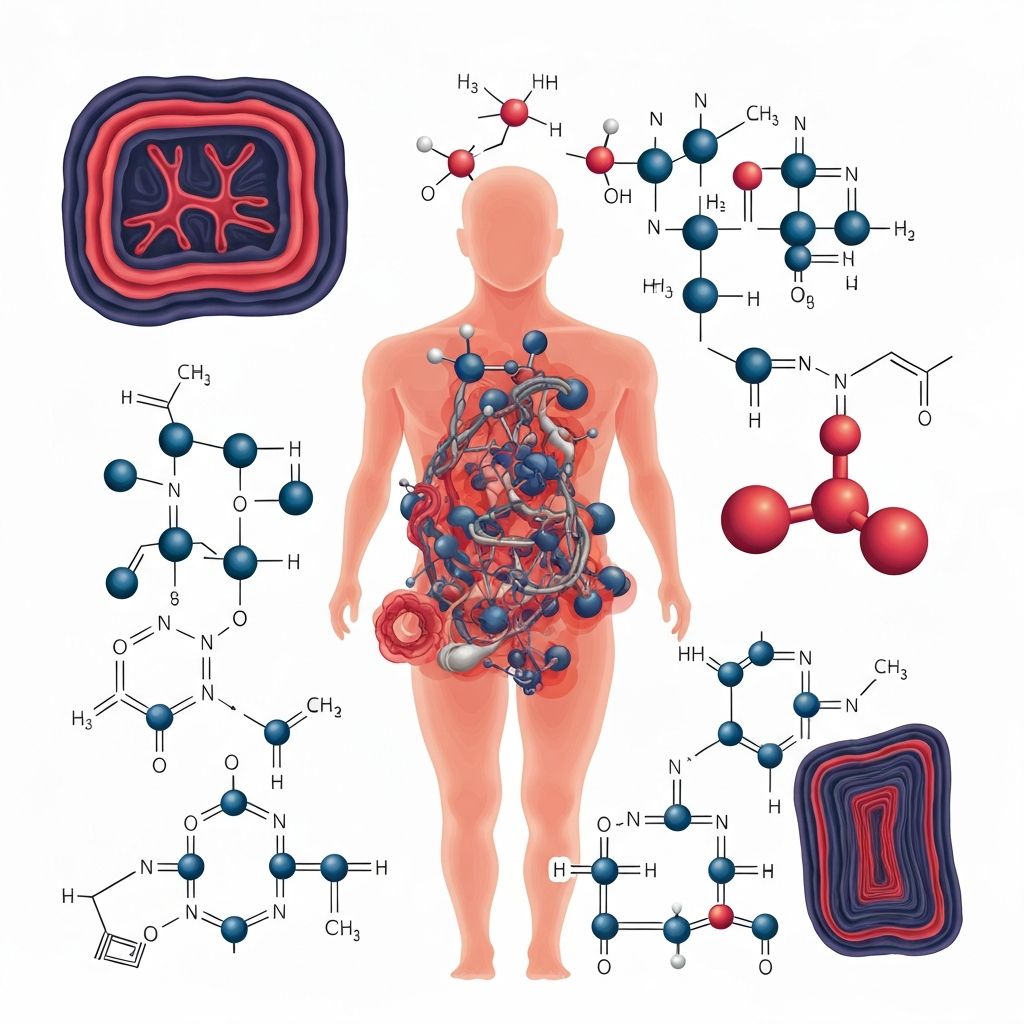
Protein serves as one of three primary macronutrients, fulfilling numerous critical functions within human physiology. Beyond its popular association with muscle, protein participates in enzyme production, hormone synthesis, immune function, and tissue repair. Understanding these diverse roles contextualizes why adequate protein consumption remains nutritionally significant.
Amino acids—the building blocks of protein—combine in various configurations to create thousands of distinct proteins serving different physiological purposes. The body can synthesize some amino acids internally, while nine others must be obtained through dietary sources, making these "essential amino acids" a particular focus in nutritional discussion.